
Technical SEO Services in the UK
Get the Right Fixes Into Production
Technical problems hurt search performance when they stop important pages from being crawled, rendered, understood, or indexed properly. Cloudex Marketing finds the technical constraints affecting commercially important pages, identifies their root cause, prioritises what deserves development time, and validates the fix after it reaches production.
Technical SEO That Fixes Problems, Not Fills Spreadsheets
A technical audit can uncover hundreds or thousands of warnings. That does not mean every warning deserves development time. Our technical SEO service in the UK separates technical symptoms from the problems genuinely restricting organic performance.
Find the Root Cause
We investigate what is actually producing the crawling, indexing, rendering, performance or architecture problem instead of converting every crawler warning into another task.
Get the Fix Into Production
A recommendation creates no value while it sits in a spreadsheet. We turn priority findings into clear technical requirements, support implementation where required, and validate the live result against the original problem.
What Our Technical SEO Services Cover
Technical SEO problems rarely exist in isolation. Crawling, indexation, architecture, rendering, performance and URL rules can all influence whether important pages are discoverable and understood correctly. We investigate the systems relevant to the problem, then prioritise the work according to search impact, commercial importance and implementation effort.
 Crawling & Indexation
Crawling & Indexation We check Googlebot access, robots.txt, XML sitemaps, crawl errors, noindex rules, soft 404s, orphan URLs, and indexation gaps. The focus stays on helping search engines discover and index the valuable pages your business needs to perform.
 Architecture & Internal Linking
Architecture & Internal Linking We assess site hierarchy, navigation, crawl depth, internal links, orphan pages, pagination, and faceted structures. The goal is a scalable architecture that makes important pages easier to discover while distributing internal authority where it matters.
 Core Web Vitals & Performance
Core Web Vitals & Performance We investigate LCP, INP, CLS, server response, JavaScript, caching, and image delivery to find meaningful performance issues. Improvements focus on pages and templates where speed and user experience genuinely need attention.
 Canonicals, Redirects & Duplicate URLs
Canonicals, Redirects & Duplicate URLs We investigate canonicals, redirects, status codes, parameterised URLs, and duplication to find the source of conflicting signals. Cloudex Marketing fixes underlying rules and patterns rather than repeatedly treating thousands of individual URL symptoms.
 Structured Data & Search Understanding
Structured Data & Search Understanding We review Schema.org markup, JSON-LD, validation errors, and whether structured data matches visible content. Implementation focuses on helping search engines understand information clearly and supporting relevant search features. Explore our guide to schema markup.
 JavaScript & Advanced Technical SEO
JavaScript & Advanced Technical SEO We investigate rendered HTML, dynamic content, lazy loading, client-side navigation, hreflang, and faceted structures where they affect search accessibility. The goal is simple: help search engines reliably discover, render, understand, and index important content.
Get a Custom Quote for Technical SEO Support
Tell us what’s going wrong, what platform you use, and what needs fixing, and we’ll scope the right technical support and technical SEO package around it.
What Makes Our Technical SEO Different?
Clear technical decisions, practical fixes, and proper validation, instead of audits that create more work without showing what actually matters.
Diagnosis Before Prescription
We find the root cause before recommending the fix.
Impact-Based Priorities
Search impact and commercial value decide what gets fixed first.
SEO + Development Thinking
Recommendations are translated into fixes developers can actually implement.
Commercial Context
Valuable products, services, and landing pages receive appropriate technical priority.
Senior Technical Oversight
Experienced SEO thinking stays involved in important technical decisions.
Validation After Launch
We test production to confirm the original problem is resolved.

Checklist-Led Audits
Every crawler warning becomes another task to complete.
Fixing Every Error
Hundreds of warnings get treated as equally important.
Audit-and-Leave SEO
Recommendations are delivered with no practical path to production.
Health-Score Chasing
Technical scores improve while commercially important problems remain unresolved.
Disconnected Decisions
Technical issues are handled without considering the wider SEO strategy.
“Ticket Closed” Thinking
A completed developer ticket gets mistaken for a successful fix.
Technical SEO Changes at Scale
A technical issue affecting five URLs is different from the same issue being generated across 50,000 URLs. Large websites need system-level diagnosis. Templates, filters, CMS rules, navigation, and JavaScript can create the same technical outcome across entire page groups.

Ecommerce Technical SEO
We investigate faceted navigation, parameters, variants, pagination, category architecture, duplicate templates, product states, canonicals, internal links, and XML sitemaps. The priority is controlling how the catalogue grows technically so valuable product and category pages remain discoverable without allowing unnecessary URL combinations to expand unchecked.

Enterprise Technical SEO
Large websites require pattern-level fixes rather than page-by-page repairs. We analyse templates, CMS rules, taxonomies, navigation, rendering behaviour and affected page groups to identify changes capable of correcting the system creating the problem.
Technical SEO Across Different Platforms
The principles remain consistent. The implementation does not. We investigate the CMS, frontend, routing and development environment behind the problem before deciding how it should be fixed.
WordPress
Themes, plugins, templates, internal architecture, indexation controls and performance can all create technical search issues.
WooCommerce
Products, archives, filters, variants and plugin behaviour introduce additional crawl, duplication and discovery considerations.
Shopify
We work within Shopify’s architecture around collections, products, canonicals, internal links and platform-controlled behaviour rather than recommending changes the platform cannot support.
Laravel & Custom Platforms
Custom builds require deeper investigation into routing, HTTP behaviour, templates, rendering, metadata and development logic.
JavaScript Frameworks
React and other JavaScript-driven interfaces require testing of rendered content, navigation, metadata and discoverability rather than assuming browser-visible content is automatically search-accessible.
JavaScript SEO: What Can Search Engines Actually Access?
A JavaScript website is not automatically bad for SEO. The problem starts when important content, links, metadata, or technical signals are delayed, altered, or unavailable in the rendered output search engines process.
- Rendered content
- Discoverable links
- Client-side navigation
- Dynamic metadata
- Canonical behaviour
- Lazy-loaded content
- Resource accessibility
- Routing behaviour
The core question is simple: Can search engines reliably discover, render, understand and index the intended content?
When the answer is no, we trace the gap back to the implementation responsible and determine whether it is significant enough to deserve development time.

Social Media Traffic
Cloudex Insights
Lorem Ipsum Lorem Ipsum Lorem Ipsum Lorem Ipsum Lorem Ipsum
From Problem to Production
Our technical SEO process keeps every recommendation connected to the problem it needs to solve. We understand the business first, collect the right evidence, identify root causes, and move priority fixes through implementation and validation.
Understand
We establish valuable pages, business priorities, known problems, and development constraints.
Investigate
We collect crawl, indexation, rendering, architecture, and performance evidence.
Diagnose
We separate visible technical symptoms from the root causes creating them.
Prioritise
We rank fixes by search impact, effort, and commercial importance first.
Implement
We translate priority findings into clear technical requirements and support the work through development and release where included within scope.
Validate
We verify implementation, measure search response, and determine what comes next.
Four Pillars of Effective Technical SEO
Technical SEO succeeds when discovery, processing, site logic, and implementation all work together without creating barriers.
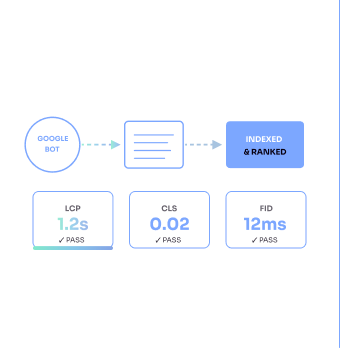
Crawl & Discovery Control
Before a page can rank, search engines need a clean and efficient route to find it.
- Keep important URLs reachable through logical crawl paths and internal links.
- Control unnecessary parameters, duplicate paths, and low-value crawlable URLs.
- Keep XML sitemaps, robots directives, and navigation aligned with what should be discovered.
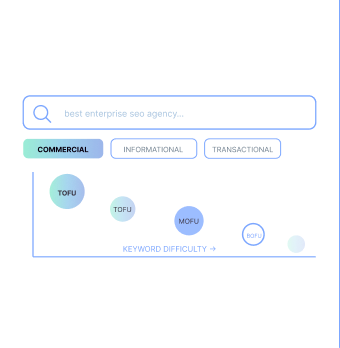
Index & Signal Integrity
Search engines need consistent instructions about which URLs belong in the index and which version should represent the content.
- Resolve conflicting canonicals, noindex rules, redirects and duplicate URL signals.
- Keep status codes and index directives consistent with the intended search behaviour.
- Trace recurring URL problems back to the template, CMS or rule creating them.
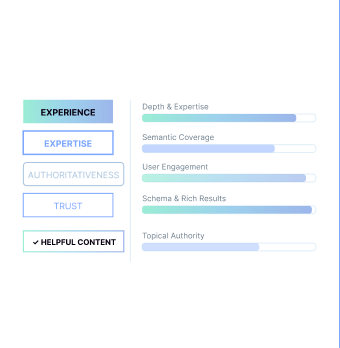
Rendered Search Accessibility
What users see in a browser and what search engines can process are not always the same thing.
- Test rendered HTML when JavaScript controls important content, links, or metadata.
- Investigate lazy loading, client-side navigation, and dynamic elements that affect accessibility.
- Confirm search-critical information remains available reliably during rendering.
Implementation Reliability
Technical recommendations only matter when they survive implementation and behave correctly on the live website.
- Turn findings into requirements developers can understand and implement.
- Validate production changes against the original technical problem.
- Monitor the affected URLs or templates after release instead of assuming the ticket solved the issue.

60-Day Technical Performance & Progress Commitment
Within the first 60 days, the important technical problems will be clearly diagnosed, prioritised, and moving towards resolution. We keep findings traceable to evidence, explain why each fix deserves development time, and remain transparent about what can be validated immediately versus what requires search engines to recrawl and respond.
Technical SEO Problems, And How We Solve Them
The visible error is often only the symptom. We trace technical problems back to the rule, template, or implementation creating them.
01 Indexation Important Pages Are Missing From Google
The Problem
A valuable page can be crawlable while conflicting directives, weak discovery, duplication, or canonical signals prevent it from being indexed as intended.
Our Solution
We identify the exclusion mechanism, compare Google’s interpretation with the intended page state, and remove the technical barrier responsible.
02 Canonicals & Duplication Google Is Receiving Conflicting URL Signals
The Problem
Parameters, alternate paths, CMS rules, or near-duplicate URLs can create several versions of what should effectively be one search destination.
Our Solution
We identify how the competing versions are generated and align canonicals, redirects, internal links, sitemaps and platform rules around the intended URL.
03 Site Architecture Important Pages Are Too Difficult to Discover
The Problem
Commercially valuable products, categories or services can sit too deep in the site or depend on weak internal pathways.
Our Solution
We analyse hierarchy, crawl depth, navigation and internal links, then strengthen the routes search engines and users rely on to reach priority pages.
04 JavaScript SEO The Browser Shows Content That Search Engines Cannot Reliably Process
The Problem
Important content, links or metadata can depend on client-side behaviour that changes what exists in rendered HTML.
Our Solution
We compare intended output with rendered search-accessible output, isolate the JavaScript dependency and define the implementation change required where a genuine constraint exists.
05 Ecommerce URL Control Filters Are Creating Thousands of Unnecessary URLs
The Problem
Faceted navigation, parameters and product combinations can generate far more crawlable URLs than the store needs indexed.
Our Solution
We determine which URL patterns serve genuine search demand and control the rest through architecture, linking, canonicals, directives or platform logic as appropriate.
06 Template-Level Technical Errors One Mistake Is Affecting Thousands of Pages
The Problem
A CMS rule, template or reusable component can reproduce the same canonical, linking, metadata or rendering problem across an entire section.
Our Solution
We fix the system producing the error instead of repairing affected URLs one by one, then validate representative page groups to confirm the correction scales.
07 Website Migrations A Website Change Has Damaged Existing Search Visibility
The Problem
Changed URLs, missing redirects, altered architecture, internal-link changes, or indexing mistakes can disconnect the new website from signals accumulated by the old one.
Our Solution
We compare the old and new states, repair the critical mapping and technical issues, validate deployment, and monitor affected page groups as search engines recrawl the site.
The KPIs Behind Technical SEO Performance
Technical SEO should be judged against the failure we set out to remove, not against a generic website health score.
Is Google Reaching the Right URLs?
We measure whether crawl activity is reaching valuable pages without being wasted elsewhere.
| Measure | What We Check | Useful Result | What It Can Trigger |
|---|---|---|---|
| Crawl Distribution | Which sections and URL types receive crawler activity. | More crawl attention reaches useful pages and fewer unnecessary patterns. | Further URL-control or architecture work if crawl remains distorted. |
| Crawl Errors | Server errors, failed requests, and inaccessible URLs. | Priority pages return stable, intended responses. | Server, redirect, or accessibility investigation. |
| Orphan URL Count | Important pages without meaningful internal discovery paths. | Valuable URLs become structurally connected. | Internal-link or navigation changes. |
| Crawl Depth | How many steps separate key pages from major entry points. | Commercially important pages remain reasonably accessible. | Architecture restructuring where depth becomes restrictive. |
Is Google Indexing What We Intended?
We check whether the right pages are indexed and unnecessary URLs stay controlled.
| Measure | What We Check | Useful Result | What It Can Trigger |
|---|---|---|---|
| Priority URLs Indexed | Whether commercially important URLs appear in the index. | Intended pages become consistently indexable and indexed. | Investigation into unresolved exclusion reasons. |
| Unwanted URLs Indexed | Parameters, duplicates or low-value URLs appearing in search. | Index bloat decreases without removing useful search pages. | Canonical, redirect or URL-generation fixes. |
| Canonical Selection | Whether Google chooses the preferred version. | Declared and selected canonicals increasingly align. | Deeper duplication or signal-consistency analysis. |
| Excluded URL Patterns | Groups of URLs consistently omitted from indexing. | Exclusions match the website’s intended search strategy. | Template or directive changes where valuable groups remain excluded. |
Can Search Engines Process the Intended Page?
We verify that important content, links, metadata and resources remain reliably accessible after rendering.
| Measure | What We Check | Useful Result | What It Can Trigger |
|---|---|---|---|
| Rendered Content Availability | Whether an important copy exists after rendering. | Search-critical content is consistently present. | JavaScript implementation changes. |
| Rendered Link Discovery | Whether internal links remain accessible in rendered output. | Crawlers can follow intended navigation paths. | Navigation or client-side routing corrections. |
| Metadata Consistency | Whether titles, canonicals, and directives render correctly. | Search signals match the intended page state. | Template or dynamic metadata fixes. |
| Resource Accessibility | Whether necessary scripts and assets can be fetched. | Important rendering resources remain available. | Resource, blocking or delivery investigation. |
Did the User Experience Improve Where It Mattered?
We track real performance improvements across the pages and templates that genuinely matter.
| Measure | What We Check | Useful Result | What It Can Trigger |
|---|---|---|---|
| LCP | How quickly the main content becomes visible. | Better real-user loading on important templates. | Image, server, or rendering optimisation. |
| INP | How responsive pages remain during interaction. | Faster response to meaningful user actions. | JavaScript or main-thread investigation. |
| CLS | Whether page elements unexpectedly shift. | Stable layouts across priority templates. | Layout, font, media or component fixes. |
| Server Response | How quickly the initial request begins returning content. | Faster and more reliable backend delivery. | Hosting, caching or application investigation. |
Did the Fix Actually Reach the Live Website?
We validate that technical changes work correctly in production and remain stable after release.
| Measure | What We Check | Useful Result | What It Can Trigger |
|---|---|---|---|
| Fix Validation Rate | Whether completed tickets behave as specified in production. | Priority fixes pass agreed acceptance criteria. | Rework when implementation differs from requirement. |
| Recurring Issue Rate | Whether previously resolved problems return. | Technical fixes remain stable across releases. | Root-cause investigation where symptoms reappear. |
| Affected Template Coverage | Whether fixes apply across the intended page group. | System-level changes resolve the full affected pattern. | Template-level correction if coverage is incomplete. |
| Regression Checks | Whether implementation created a new technical problem elsewhere. | Fixes resolve one issue without introducing another. | Immediate rollback or secondary correction where necessary. |
Did Removing the Constraint Change Search Performance?
We measure whether fixing the technical barrier improves visibility, traffic and commercial search outcomes.
| Measure | What We Check | Useful Result | What It Can Trigger |
|---|---|---|---|
| Organic Landing-Page Visibility | Whether affected pages gain search exposure after resolution. | Important pages recover or expand visibility where technically constrained. | Reassessment if the original barrier is gone but rankings remain weak. |
| Non-Brand Clicks | Search clicks not dependent on existing brand awareness. | Technical improvements support broader discoverability. | Content, authority, or intent analysis if clicks remain limited. |
| Priority Page Traffic | Organic traffic reaching the affected page groups. | Valuable templates receive stronger qualified search traffic. | Wider SEO diagnosis if technical performance improves without traffic response. |
| Conversions From Affected Pages | Commercial actions generated from technically improved pages. | Search gains translate into measurable business activity where attribution allows. | Conversion analysis if visibility improves without commercial movement. |
Technical SEO Is Finished Only When the Fix Works
Technical SEO should create a measurable change in how search engines access, process, and understand the website. A cleaner audit or lower error count means little unless the underlying constraint has actually been removed and the affected pages are performing more reliably.
- Improve crawl access to commercially important pages
- Get the intended URLs indexed while controlling unnecessary ones
- Confirm rendering, performance, and technical signals work correctly in production
- Validate fixes against the original problem instead of simply closing tickets
- Measure whether removing technical barriers improves visibility, traffic and conversions
Find the Technical Problem Worth Fixing First
Your website does not need every crawler warning removed.
It needs the technical constraints affecting important pages identified, prioritised and turned into fixes your development team can act on.
We can help you establish:
- What is actually wrong
- Which pages or templates are affected
- Why the issue matters
- What should be fixed first
- How the fix should behave
- How success will be validated

Technical SEO Results You Can Trace Back to the Fix
Technical SEO should leave evidence. See how technical changes have improved crawling, indexation, architecture, visibility, or organic performance across the websites we work on.
E-commerce & Online Retail
Ecommerce SEO Pakistan strategies optimize product visibility, category structures, and conversion paths for online stores. Technical optimization ensuring fast load times, product schema markup enabling rich snippets, category page targeting, faceted navigation handling, image optimization, user-generated content leverage, abandoned cart recovery integration, and mobile commerce excellence address unique challenges Pakistani online retailers face when competing nationally. We’ve helped e-commerce clients achieve 300%+ organic traffic increases, converting into measurable sales growth through strategic product and category optimization.

E-commerce & Online Retail
Ecommerce SEO Pakistan strategies optimize product visibility, category structures, and conversion paths for online stores. Technical optimization ensuring fast load times, product schema markup enabling rich snippets, category page targeting, faceted navigation handling, image optimization, user-generated content leverage, abandoned cart recovery integration, and mobile commerce excellence address unique challenges Pakistani online retailers face when competing nationally. We’ve helped e-commerce clients achieve 300%+ organic traffic increases, converting into measurable sales growth through strategic product and category optimization.
E-commerce & Online Retail
Ecommerce SEO Pakistan strategies optimize product visibility, category structures, and conversion paths for online stores. Technical optimization ensuring fast load times, product schema markup enabling rich snippets, category page targeting, faceted navigation handling, image optimization, user-generated content leverage, abandoned cart recovery integration, and mobile commerce excellence address unique challenges Pakistani online retailers face when competing nationally. We’ve helped e-commerce clients achieve 300%+ organic traffic increases, converting into measurable sales growth through strategic product and category optimization.
E-commerce & Online Retail
Ecommerce SEO Pakistan strategies optimize product visibility, category structures, and conversion paths for online stores. Technical optimization ensuring fast load times, product schema markup enabling rich snippets, category page targeting, faceted navigation handling, image optimization, user-generated content leverage, abandoned cart recovery integration, and mobile commerce excellence address unique challenges Pakistani online retailers face when competing nationally. We’ve helped e-commerce clients achieve 300%+ organic traffic increases, converting into measurable sales growth through strategic product and category optimization.
What Our Clients Say
See what businesses working with Cloudex Marketing say about our technical expertise, clear priorities, practical implementation, and the difference our SEO work makes to their growth.
James Carter

I had an excellent experience working with Cloudex Marketing. Their SEO expertise and digital marketing strategies have ….
James Carter
I had an excellent experience working with Cloudex Marketing. Their SEO expertise and digital marketing strategies have ….
James Carter
I had an excellent experience working with Cloudex Marketing. Their SEO expertise and digital marketing strategies have ….
James Carter
I had an excellent experience working with Cloudex Marketing. Their SEO expertise and digital marketing strategies have ….
Ask the Technical SEO Questions That Matter
Technical SEO becomes easier to invest in when you know what will be investigated, how priorities are decided, who handles implementation, and how Cloudex Marketing determines whether the work succeeded.
What is included in technical SEO services?
The scope depends on the website and problem. Cloudex Marketing can investigate crawling, indexation, site architecture, redirects, canonicals, Core Web Vitals, rendering, structured data, migrations and large-scale URL problems, then prioritise the work that deserves implementation.
Can you work with our existing developers?
Yes. Technical SEO frequently requires collaboration with an internal or external development team. We can translate priority findings into implementation requirements, provide examples and acceptance criteria, answer technical questions during development and validate the live change after release where this support is included within scope.
What does a technical SEO audit include?
A useful technical SEO audit identifies problems, root causes, affected URLs, likely search impact, priority and the path towards implementation. Cloudex Marketing does not treat an exported list of crawler warnings as a finished technical strategy.
Do you implement technical SEO fixes?
Yes, where implementation is included within the agreed project scope. Cloudex Marketing can support implementation directly or work with your existing developers, then validate that priority changes reached production and behave as intended.
How much do technical SEO services cost in the UK?
The cost depends on website size, platform, technical condition, ecommerce or JavaScript complexity, migration requirements, and the level of implementation support required. We establish the technical scope before recommending the appropriate investment.
How long does technical SEO take to work?
Implementation time and Google’s response time are separate. A redirect, canonical, or rendering fix can be technically validated after deployment, while search effects require Google to recrawl and process the affected URLs before performance changes become measurable.
Can technical SEO fix indexing problems?
Yes, when a technical barrier causes the indexing problem. We can address issues including noindex directives, canonical errors, crawl restrictions, orphan pages, duplicate URL structures, and sitemap problems. Removing those barriers does not guarantee that Google will index every URL.
Do ecommerce websites need technical SEO?
Yes, when technical systems affect how products and categories are discovered, crawled, or indexed. Ecommerce websites amplify problems involving filters, parameters, product variants, pagination, discontinued products, internal links, canonicals, and crawl waste because the same issue can affect thousands of URLs.
Fix the Technical Problems That Are Actually Holding Search Performance Back
Your website does not need every warning cleared.
Cloudex Marketing identifies the technical constraints affecting valuable pages, finds the system or implementation creating them, prioritises what deserves action, and helps get the right fixes into production.