
On-Page SEO Services in the UK
Give every important page a clear job in search. Our on-page SEO services in the UK establish what each priority URL should rank for, what searchers expect to find and whether the current page is actually the right one for that demand. We then improve the content, structure, internal signals and search presentation needed to help that page compete and turn qualified visibility into useful action.
Good On-Page SEO Starts Before We Change the Page
Changing a title, adding copy or inserting more keywords is easy. The harder decision is whether the page deserves optimisation in the first place, what search demand it should own and what stronger performance would mean for the business.
Is There a Search Opportunity?
We first establish whether valuable demand exists, how competitive it is and whether improving this URL creates a realistic opportunity. Finding something editable on the page does not prove that editing it is worthwhile.
Give the Page a Search Job
We determine which searches genuinely belong to the URL by examining demand, intent, current rankings, competing results and the page types Google already rewards.
Give the Page a Commercial Job
We establish what useful action should follow the visit. Depending on the page, that can mean enquiring, buying, booking, comparing, requesting a quote or moving to the next relevant step in the website.
What Our On-Page SEO Services Cover
Different pages underperform for different reasons. Our on-page SEO work connects search intent, content, structure, internal relationships and SERP signals around what each priority URL genuinely needs rather than applying the same optimisation checklist across the website.
 Search Intent & Keyword Mapping
Search Intent & Keyword Mapping Our keyword mapping connects related searches with the URL best suited to satisfy them. We assess primary demand, secondary query groups, existing rankings, SERP patterns, business relevance and the page types already performing. Search intent optimisation then establishes what people expect to find when making those searches. Search volume informs the opportunity; it does not decide the strategy alone.
 SEO Content Optimisation
SEO Content Optimisation Good SEO content optimisation improves usefulness rather than simply making copy longer. We identify missing information, outdated sections, unnecessary copy, weak headings, unanswered questions, entity gaps and unclear information hierarchy. Existing content can be expanded, trimmed, reorganised or retained depending on the evidence. Where larger content work is required, our SEO content writing services keep search intent and commercial purpose connected.
 Titles, Metadata & Page Structure
Titles, Metadata & Page Structure We review title tags, meta descriptions, H1s, heading hierarchy, URLs, introductory copy, alt text and relevant HTML structure. Title tag optimisation and metadata optimisation can strengthen how a page communicates its subject and appears in search, but metadata is only one part of website SEO optimisation. It cannot compensate for targeting the wrong intent or using the wrong page.
 Internal Linking & Page Authority
Internal Linking & Page Authority Our internal linking services establish clearer relationships between important pages and the supporting content around them. We assess contextual links, anchor context, orphan pages, crawl pathways, hub relationships, and where internal authority needs stronger direction. Links should help users and search engines understand how pages relate, not appear simply because an SEO checklist says another internal link is needed.
 Cannibalisation & Content Consolidation
Cannibalisation & Content Consolidation Several URLs can sometimes compete for the same search purpose, leaving Google uncertain about which page deserves visibility. We investigate keyword cannibalisation, overlapping intent, near-duplicate pages and situations where the wrong URL ranks. Depending on the evidence, content consolidation can involve merging, differentiating, retargeting, redirecting or strengthening an existing page rather than creating another one.
 Structured Data & SERP Signals
Structured Data & SERP Signals Relevant schema markup can give search engines more explicit information about content and entities. We review appropriate markup such as Breadcrumb, Service, Organization, Product, Article, and LocalBusiness where applicable, while ensuring structured information matches what users can actually see. Schema can support search understanding and eligibility for relevant features; it does not automatically improve rankings or guarantee rich results.
Get a Custom On-Page SEO Package
Share your priority pages, current rankings and growth goals, and we’ll shape an on-page SEO package around the specific approaches, strategies, and fixes your website really needs.
Not Every Page Deserves the Same SEO Investment
A website can contain hundreds of pages without containing hundreds of worthwhile optimisation opportunities. We prioritise URLs where valuable demand, commercial importance and a fixable performance gap come together.
Focus the Work Where It Can Count
Even a commercially valuable page should not automatically move to the front of the queue. Existing quality, implementation effort, authority, overlapping URLs and the size of the performance gap all affect what should happen next. That helps Cloudex Marketing distinguish between pages that need immediate work and pages better left alone.
Find the Opportunity
We assess search demand, current rankings, competition, SERP fit and the size of the optimisation gap. A page already sitting close to valuable searches can deserve attention before another URL starting with no realistic search opportunity.
Consider What It Can Produce
Search opportunity is only half the decision. We consider lead potential, revenue value, conversion potential, and the page’s role in the customer journey before deciding how much optimisation effort it deserves.
Fix What Can Move You Up
A clear search opportunity plus a fixable weakness creates a stronger optimisation case. We identify where changes to intent, content, structure, internal links or SERP presentation have a realistic opportunity to improve performance.
Leave Strong Pages Alone
Not every audit finding deserves an edit. If a page already satisfies its search purpose and performs strongly, unnecessary rewriting can introduce risk without creating additional value. Sometimes the correct SEO recommendation is to do nothing. SEO effort belongs where it can create meaningful movement, not where a checklist happens to find another task.
Six Questions We Answer Before Optimising a Page
A keyword alone does not tell us how a page should be optimised. We need to understand why someone searched, what Google currently rewards, whether the page provides the right information, and how it fits within the wider website. These factors determine whether the existing URL needs improvement, a different purpose, or no major change at all.
Why is the person searching?
Keywords tell us what someone typed, but search intent tells us what they expect to find next. We examine the query alongside the current SERP to understand the need behind the search before deciding how the page should respond to it.
- Informational, commercial or transactional intent
- Local or location-sensitive searches
- Questions behind the main query
- Results Google currently prioritises
- Expectations before someone clicks
We use those signals to align the page with the actual search purpose. If we misunderstand why someone is searching, optimising more aggressively for the keyword will not solve the underlying mismatch.
Is this the right kind of page?
Before optimising an existing URL, we look at the pages already earning visibility for the target searches. The SERP helps us determine whether Google is rewarding a service page, category, guide, comparison, product or another result format.
- Page types dominating the results
- Commercial versus informational results
- SERP features appearing around them
- Formats used by competing pages
- Where the existing URL differs
We use this evidence to decide whether the current page can compete with better optimisation or whether the website is asking the wrong type of page to do the job.
Does the page give the searcher what they need?
We examine the information already on the page against its search purpose and competing results. Rather than automatically adding more copy, we identify what is genuinely missing, what adds little value, and what prevents the important information from being understood quickly.
- Important topics and entities
- Questions left unanswered
- Outdated or unnecessary information
- Heading and information hierarchy
- Commercially relevant details
We optimise for useful completeness rather than arbitrary length. Sometimes that requires adding content; sometimes we achieve a stronger page by trimming, restructuring or clarifying what is already there.
Does the wider website support this page?
No page operates completely on its own. We examine how the URL connects with related services, categories, guides and other supporting content to understand whether the wider website reinforces or weakens the role we want that page to perform.
- Contextual internal links
- Relevant supporting pages
- Anchor text and surrounding context
- Navigation and crawl pathways
- Position within the site hierarchy
We use those relationships to make the page's role clearer for users and search engines. A commercially important URL should not sit in isolation when relevant pages elsewhere on the website provide no meaningful pathway to it.
Does the page give people a reason to believe it?
Ranking brings someone to the page; it does not automatically make them trust what they find. We assess whether the claims, information, and offer are supported by the kind of evidence a prospective customer needs before feeling confident enough to continue.
- Genuine customer testimonials
- Relevant examples or case studies
- Credentials and experience
- Data or supporting evidence
- Clear processes and service details
We select proof based on the page and the decision being made, rather than applying identical trust elements to every URL. The stronger the commitment being asked of the visitor, the stronger the evidence we want around that decision.
What should the visitor do next?
We establish the logical next action based on the page's search and commercial job. A visitor researching a subject needs a different next step from someone comparing providers or actively searching for a company to hire.
- Request a quote or enquiry.
- Book a call or appointment
- Purchase the relevant product
- Compare services or options
- Continue to the next useful page
We then make that route clear without turning on-page SEO into a CRO service. Our job is to ensure the qualified traffic we help the page attract does not arrive at a dead end with no obvious way forward.
When Multiple Pages Compete for the Same Search
Keyword cannibalisation exists when several URLs create a genuine conflict around the same search purpose and that overlap harms performance. Two pages are not automatically cannibalising each other simply because they mention the same keyword.
First, We Decide Which Page Should Own the Search
A service page, old URL, and supporting article can sometimes compete for essentially the same demand. Google may alternate between them, favour the less useful destination, or divide signals that would be stronger around one clearly defined page.
Cloudex identifies the intended search owner before deciding what needs changing.
Local SEO Built Around the Market You Actually Serve
Local search changes from one market to another. Competition in London does not look like competition in Leeds, Glasgow or a smaller regional market.
We assess each target area independently: the services people search for, the businesses already winning visibility, the strength of those competitors and whether the opportunity justifies investment.
That means we do not create location pages simply because a town name can be added to a keyword.

Social Media Traffic
Cloudex Insights
Local Visibility Is Bigger Than One Maps Ranking
A strong local search presence creates more than one route for customers to discover your business across different stages of their local search journey.

Google Maps & Local Pack
Your Business Profile can appear for location-sensitive searches across Google Search and Maps, giving customers direct access to your website, phone number, reviews and directions when they are actively comparing nearby businesses.

Local Organic Search
Service pages, location pages and supporting content create additional opportunities to appear when customers search for what you offer in the areas you serve, especially for more specific service-led and location-based queries.

Wider Local Authority
Citations, industry directories, local publications, links, and mentions reinforce your business’s information and prominence while creating additional routes to discovery across trusted third-party websites and local platforms.
SEO for Local-Dependent Businesses
Local search carries different commercial value across different industries. Our strategy reflects how customers search, how quickly they make decisions, and what information they need before choosing a provider. Our wider SEO services by industry show how search priorities change across different business models and markets.
Trades & Home Services
Electricians, plumbers, roofers, cleaners and other home-service businesses compete for searches close to immediate customer demand. Visibility needs to connect services with relevant coverage areas and direct routes to calls or enquiries.
Solicitors & Accountants
Professional expertise, specialisation, trust and geography shape these searches. Strong service relevance needs to work alongside reputation and clear evidence that the business handles the problem being searched.
Healthcare & Clinics
Patients evaluate proximity alongside services, reputation and trust. Local search needs accurate business information, relevant landing pages and a clear journey from discovery to appointment or enquiry.
Hospitality
Restaurants, venues and hospitality businesses depend heavily on nearby discovery, Maps presence, reviews and accurate business information. Local visibility needs to support the decisions customers make before visiting or booking.
Professional Services
Consultancies and specialist providers still compete locally when geography influences supplier selection. Search strategy needs to capture commercial demand without forcing every service into unnecessary location variations.
Multi-Location Brands
Larger location footprints require scalable architecture, differentiated pages, controlled Business Profile governance and market-level measurement. Cannibalisation and duplicated location content need to be prevented as geographic coverage expands.
We Find the Constraint Before We Prescribe the Work
More citations will not fix weak landing pages. More content will not fix an indexing problem. More reviews will not compensate for targeting searches with little commercial value. Before deciding what to do, we establish where local growth is actually being restricted.
Demand
Visibility
Relevance
Authority
Conversion
Priority
From Local Search to Growth
We build Local SEO in a deliberate sequence so that every major activity has a reason behind it.
Diagnose
Establish demand, visibility, competitors, technical constraints, authority, and conversion performance.
Map Search Intent
Connect commercially valuable services, locations, and searches with the pages that should capture them.
Fix Barriers
Correct technical, content, relevance, and Business Profile problems restricting performance.
Build Local Authority
Strengthen reviews, citations, relevant links, mentions and reputation where competitive evidence shows they matter.
Measure Performance
Monitor visibility, traffic, calls, forms, qualified enquiries and attributable conversions.
Expand What Works
Invest further in locations, services and content after performance demonstrates where the opportunity is strongest.
Four Pillars of Strong Local Search Performance
Strong local visibility is built on four connected pillars. A weakness in one can restrict the value created by the others.
Demand
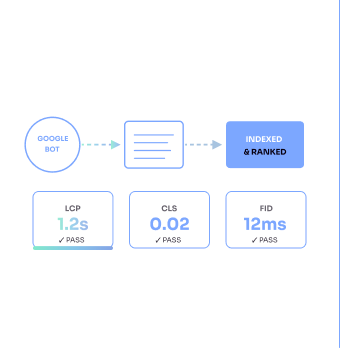
Commercial Search Opportunity
We establish which services, locations and search behaviours represent genuine commercial opportunities before deciding where Local SEO resources should be committed.
- Map services and target locations against real local search demand and buyer intent.
- Compare the businesses already capturing valuable Maps, Local Pack and organic visibility.
- Prioritise opportunities according to commercial value, competition and your ability to serve the market.
Relevance
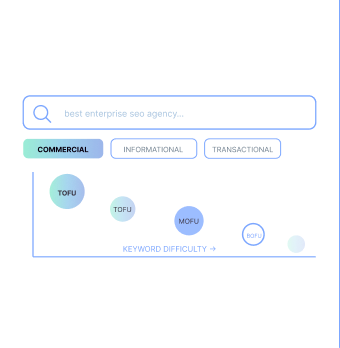
Website & Local Search Foundations
We give Google clear, consistent evidence about what your business provides, where it operates and which pages should be associated with commercially important local searches.
- Align Business Profile information, services and landing pages with genuine business operations.
- Strengthen service pages, location coverage, site architecture and internal-link relationships.
- Remove technical, content and structural weaknesses that make important local pages harder to understand.
Authority
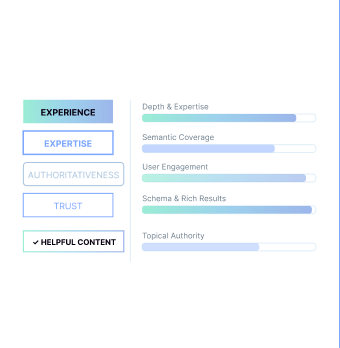
Reputation & Local Prominence
We strengthen the credible third-party signals surrounding your business so search engines and potential customers have stronger evidence of its reputation, relevance and prominence within the market.
- Maintain accurate business information across relevant UK, local and industry citation sources.
- Build practical systems for earning and responding to genuine customer reviews consistently.
- Pursue relevant links, mentions, partnerships and local opportunities where they strengthen competitive authority.
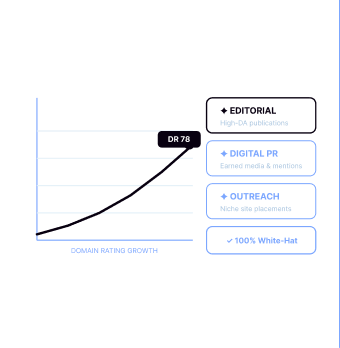
Conversion
Visibility That Produces Business
Local visibility becomes commercially useful when the right searchers discover your business and continue towards a call, form submission, booking, qualified enquiry or measurable revenue opportunity.
- Monitor Maps, Local Pack and organic visibility across commercially important searches.
- Connect local discovery with website visits, calls, forms, bookings and qualified enquiries.
- Use conversion and performance evidence to identify what should be improved, maintained or expanded next.
60-Day Local Search Growth & Performance Commitment
Your first 60 days should create visible progress towards a stronger local search position, not disappear into a checklist of profile updates and directory submissions. We establish the baseline, identify the highest-priority constraints, and keep the work, reasoning, and progress clear throughout execution.
Local SEO Problems, And How We Solve Them
Poor local performance has a cause. The job is to find the right one before money is spent solving something else.
01 Your Google Business Profile Looks Complete but Still Doesn’t Rank
The Problem
A polished profile cannot overcome weaknesses in relevance, website support, reviews, authority, competition, or geographic proximity.
Our Solution
We assess the wider local search system around the profile and identify which controllable signals are restricting competitiveness.
02 You’re Targeting Local Searches That Don’t Produce Enough Business
The Problem
Search volume can make a keyword look valuable even when intent, competition or geography makes the opportunity commercially weak.
Our Solution
We compare search demand, buyer intent, SERPs, competition, and your ability to serve the market before deciding what deserves priority.
03 Your Location Pages Are Too Similar
The Problem
Changing the city name on otherwise identical pages creates weak differentiation and can leave multiple URLs competing for similar searches.
Our Solution
We map each location to real demand and a clear search purpose, then improve, consolidate, or rebuild pages where necessary.
04 Competitors Have More Local Authority
The Problem
Your website can be relevant while stronger reviews, citations, links, mentions and local prominence keep competitors ahead.
Our Solution
We identify the authority gap and focus on the third-party signals that can realistically improve your competitive position.
05 Technical Problems Are Restricting Important Local Pages
The Problem
Poor internal linking, duplication, indexation problems, incorrect canonicals or weak architecture can stop valuable pages from competing properly.
Our Solution
We diagnose and fix technical barriers affecting the URLs responsible for capturing commercially important local demand.
06 Visibility Is Improving, but Enquiries Aren’t
The Problem
More impressions and rankings do not automatically mean stronger business performance
Our Solution
We examine search intent, landing-page relevance, trust, calls to action and conversion tracking to determine where the journey from search to enquiry is breaking down.
Local SEO KPIs That Tell Us What To Do Next
We measure local search to understand where visibility is changing, what is producing business, and which constraint deserves attention next.
KPIs for Local Visibility
These metrics show whether your business is gaining meaningful exposure across Maps, Local Pack and traditional local search results.
| KPI | What It Tells Us | Why It Matters | What We Look For |
|---|---|---|---|
| Local Pack Rankings | Where your business appears for priority local searches. | Shows competitiveness inside high-visibility map results. | Movement for commercially valuable service and location combinations. |
| Local Organic Rankings | Where relevant landing pages rank below and around map results. | Creates additional routes to local discovery. | Growth across service and location pages with genuine buying intent. |
| Search Impressions | How often your business appears for relevant searches. | Shows whether local search exposure is expanding. | Increased visibility around target services and markets, not impressions alone. |
| Geographic Visibility | How performance changes across target search areas. | Local rankings can vary significantly by searcher location. | Where visibility is strong, weak or constrained within priority markets. |
KPIs for Profile Performance
Business Profile data helps us understand how people discover and interact with your business after appearing in local results.
| KPI | What It Tells Us | Why It Matters | What We Look For |
|---|---|---|---|
| Profile Views | How often people encounter your Business Profile. | Indicates local discovery and exposure. | Growth alongside relevant search visibility rather than views in isolation. |
| Website Clicks | How often searchers move from your profile to your website. | Shows whether profile discovery continues into deeper consideration. | Traffic reaching appropriate commercial landing pages. |
| Calls | Calls initiated after finding the business locally. | Represents direct commercial action for many local businesses. | Call trends alongside the searches and locations generating visibility. |
| Direction Requests | Requests for navigation to your location. | Especially useful for customer-facing businesses. | Whether stronger local visibility is contributing to physical visits. |
KPIs for Local Website Performance
We measure whether local search visibility is reaching the pages designed to convert demand into enquiries.
| KPI | What It Tells Us | Why It Matters | What We Look For |
|---|---|---|---|
| Local Landing-Page Traffic | Organic visits reaching service and location pages. | Shows whether search demand is being captured on-site. | Growth on pages connected to priority markets and services. |
| Organic CTR | How often local impressions become website clicks. | Reveals how effectively listings attract searchers. | Changes considered alongside position, intent and SERP layout. |
| Engagement | How visitors interact once they reach the page. | Can reveal weak intent alignment or page experience. | Behaviour interpreted according to each page’s actual purpose. |
| Conversion Rate | How often local visitors take a valuable next step. | Connects traffic with commercial performance. | Differences between services, locations and landing-page types. |
KPIs for Trust and Prominence
These signals help us understand whether your wider local presence is becoming stronger relative to the businesses you compete against.
| KPI | What It Tells Us | Why It Matters | What We Look For |
|---|---|---|---|
| Review Growth | Whether genuine customer feedback is increasing consistently. | Reviews influence trust and contribute to local prominence. | Sustainable acquisition rather than short bursts of review activity. |
| Review Recency | How recently customers have left feedback. | Current feedback provides stronger reassurance to searchers. | A healthy ongoing pattern appropriate for the business. |
| Citation Accuracy | Whether key business details remain consistent. | Conflicting information can weaken local clarity. | Correct details across relevant UK, local and industry sources. |
| Relevant Local Links & Mentions | Third-party references from credible sources. | Strengthens wider authority and prominence. | Quality, relevance and competitive gaps, not raw link totals. |
KPIs for Local SEO Business Performance
This is where local visibility needs to prove its value by creating meaningful customer actions.
| KPI | What It Tells Us | Why It Matters | What We Look For |
|---|---|---|---|
| Organic Calls | Calls connected with local organic discovery. | Often represents high-intent local demand. | Trends from relevant services, pages and markets. |
| Form Enquiries | Leads submitted through local landing pages. | Shows whether website discovery becomes an opportunity. | Qualified enquiries rather than submission volume alone. |
| Qualified Leads | Whether enquiries match customers the business wants. | More leads do not automatically mean better SEO. | Quality alongside volume wherever lead data is available. |
| Revenue / Bookings | Commercial value attributable to local search where measurable. | Provides the strongest connection between SEO and business performance. | Revenue, bookings and assisted conversions where tracking supports them. |
KPIs for Local Competitive Performance
Local SEO is relative. We measure whether your business is gaining ground against the companies already occupying valuable search results.
| KPI | What It Tells Us | Why It Matters | What We Look For |
|---|---|---|---|
| Local Share of Visibility | How often you appear compared with competitors. | Shows whether your search position is strengthening overall. | Gains within commercially important services and markets. |
| Local Keyword Gaps | Searches competitors capture that you currently miss. | Reveals additional opportunities worth evaluating. | Gaps with genuine commercial and geographic relevance. |
| Authority Gap | Differences in links, mentions, and prominence. | Can explain why relevant pages or profiles still struggle. | Competitive differences that can realistically be closed. |
| Market-Level Performance | How results differ between locations. | One local strategy rarely performs equally everywhere. | Where to invest, hold, improve, or expand next. |
We Measure Local SEO to Decide What Happens Next
A useful local SEO report should not stop at “your Maps ranking improved.” It should show where visibility changed, what caused that movement, whether customers responded, and what deserves investment next.
That is how Cloudex Marketing uses local SEO measurement: not to prove we stayed busy, but to decide where the next growth opportunity sits.
Find Out Where Local Search Is Losing You Business
You do not need another Local SEO checklist.
You need to know where valuable search demand exists, why competitors are capturing more of it, and which improvement deserves priority first.
We’ll examine the gap between:
- Search demand
- Visibility
- Website visit
- Enquiry
And show you where that journey is breaking down.

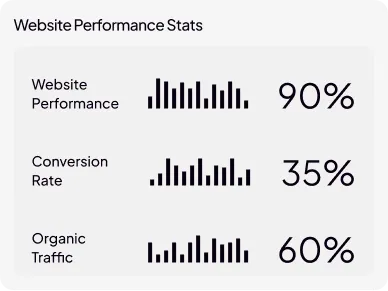
Local SEO Work Should Be Easy to Verify
Good strategy is useful. Evidence is better. See how our SEO work has improved search visibility, strengthened commercially important pages and contributed to measurable enquiries for the businesses we work with.
E-commerce & Online Retail
Ecommerce SEO Pakistan strategies optimize product visibility, category structures, and conversion paths for online stores. Technical optimization ensuring fast load times, product schema markup enabling rich snippets, category page targeting, faceted navigation handling, image optimization, user-generated content leverage, abandoned cart recovery integration, and mobile commerce excellence address unique challenges Pakistani online retailers face when competing nationally. We’ve helped e-commerce clients achieve 300%+ organic traffic increases, converting into measurable sales growth through strategic product and category optimization.

E-commerce & Online Retail
Ecommerce SEO Pakistan strategies optimize product visibility, category structures, and conversion paths for online stores. Technical optimization ensuring fast load times, product schema markup enabling rich snippets, category page targeting, faceted navigation handling, image optimization, user-generated content leverage, abandoned cart recovery integration, and mobile commerce excellence address unique challenges Pakistani online retailers face when competing nationally. We’ve helped e-commerce clients achieve 300%+ organic traffic increases, converting into measurable sales growth through strategic product and category optimization.
E-commerce & Online Retail
Ecommerce SEO Pakistan strategies optimize product visibility, category structures, and conversion paths for online stores. Technical optimization ensuring fast load times, product schema markup enabling rich snippets, category page targeting, faceted navigation handling, image optimization, user-generated content leverage, abandoned cart recovery integration, and mobile commerce excellence address unique challenges Pakistani online retailers face when competing nationally. We’ve helped e-commerce clients achieve 300%+ organic traffic increases, converting into measurable sales growth through strategic product and category optimization.
E-commerce & Online Retail
Ecommerce SEO Pakistan strategies optimize product visibility, category structures, and conversion paths for online stores. Technical optimization ensuring fast load times, product schema markup enabling rich snippets, category page targeting, faceted navigation handling, image optimization, user-generated content leverage, abandoned cart recovery integration, and mobile commerce excellence address unique challenges Pakistani online retailers face when competing nationally. We’ve helped e-commerce clients achieve 300%+ organic traffic increases, converting into measurable sales growth through strategic product and category optimization.
What Our Clients Say
The best evidence of an agency relationship is not how impressive the proposal sounded. It is whether the work remained clear, communication stayed useful, and the client understood what was being done and why. See what businesses working with us say about the strategy, communication and results behind the work.
James Carter

I had an excellent experience working with Cloudex Marketing. Their SEO expertise and digital marketing strategies have ….
James Carter
I had an excellent experience working with Cloudex Marketing. Their SEO expertise and digital marketing strategies have ….
James Carter
I had an excellent experience working with Cloudex Marketing. Their SEO expertise and digital marketing strategies have ….
James Carter
I had an excellent experience working with Cloudex Marketing. Their SEO expertise and digital marketing strategies have ….
Local SEO FAQs for UK Businesses
Clear answers to the questions businesses ask before deciding how Local SEO should be approached, measured and funded.
What is included in your local SEO services?
Our campaigns cover the areas required by the problem we diagnose. That includes local search research, Google Business Profile optimisation, on-page SEO, technical SEO, location pages, citations, reviews, authority building, content, competitor monitoring and performance measurement. We prioritise these activities according to their impact rather than assigning the same monthly quota to every client.
How much does local SEO cost in the UK?
Cost depends on the number of locations, competition, website condition, service breadth, existing authority, content requirements and technical work involved. We assess those factors before recommending the appropriate investment. Our UK SEO packages provide further pricing context without reducing local SEO to a generic checklist.
How long does local SEO take?
The timeline depends on your starting visibility, competitors, website condition, authority, geographic position and implementation speed. Early movement and meaningful commercial growth are separate milestones. We establish the baseline first, track leading visibility indicators and then measure whether those improvements translate into calls, enquiries and conversions.
Can you improve our Google Maps rankings?
Yes. We improve the controllable factors that contribute to local visibility, including relevance, Business Profile quality, website signals, reviews, citations and authority. A responsible local SEO company in the UK cannot guarantee a specific Maps position because competition and the searcher’s proximity also influence the results Google displays.
Do we need a Google Business Profile?
Yes, if your business serves customers locally and is eligible for one. A Google Business Profile is central to appearing in Google Maps and Local Pack results. Customer-facing and service-area businesses should maintain an accurate profile that reflects real operations. Purely online or national businesses should not create a false local presence simply to target Maps.
Can you manage SEO for multiple locations?
Yes. Multi-location SEO requires clear site architecture, distinct location pages, controlled Business Profile management, and market-by-market measurement. We map each location against real demand rather than duplicating one page across dozens of cities, which keeps expansion commercially justified and reduces internal competition between pages.
How do you measure local SEO performance?
We measure local and organic visibility alongside Google Business Profile interactions, commercial-page traffic, calls, forms and qualified enquiries. Revenue is included where reliable attribution exists. This creates a clearer picture than keyword rankings alone because it shows whether stronger visibility is actually contributing to business performance.
Find the Local Search Opportunity Worth Acting On
Your business may not need more Local SEO activity. It may need better targeting, stronger local relevance, more authority, a technical fix or a clearer route from search visibility to enquiry. Cloudex Marketing identifies the constraint first, explains what deserves priority and puts the work where the evidence says it belongs.